Back to Search
Offshore 40 Cheoy Lee
Designer: Philip Rhodes  ·  Builder: Cheoy Lee Shipyard Ltd.  ·  First built: 1964
+ Add to Compare
About the Offshore 40 Cheoy Lee

Built by the renowned Hong Kong shipyard Cheoy Lee, the Offshore 40 is a capable bluewater cruiser that reflects the yard's long-standing reputation for quality construction and seaworthy design. Cheoy Lee has been producing well-regarded offshore sailboats since the mid-twentieth century, and the Offshore series stands among their most respected lines, earning a loyal following among serious cruising sailors over the decades. Designed with extended passages in mind, the Offshore 40 is well suited to bluewater and offshore cruising, offering the kind of sturdy, dependable platform that appeals to sailors planning extended voyages or liveaboard life. Cheoy Lee's fiberglass construction is generally praised for its solidity, and boats from this series have logged impressive ocean miles across multiple generations of ownership. For prospective buyers, the Offshore 40 represents an entry into a proven cruising heritage. Used examples tend to attract attention from those who value traditional offshore capability over modern performance trends. Careful inspection of aging systems and rigging is always advisable, but the underlying hull and build quality give this model a strong foundation for refit and continued blue-water service.

Core Dimensions
LOA (Length Overall) 39.75 ft / 12.12 m
LWL (Waterline Length) 28.00 ft / 8.53 m
Beam 10.75 ft / 3.28 m
Max Draft 6.00 ft / 1.83 m
Displacement 20,720.00 lb / 9,398 kg
Ballast 7,900.00 lb / 3,583 kg
Sail Area (Reported) 742.00 ft² / 68.93 m²
Design & Construction
Hull Type Long Keel
Rigging Type Masthead Sloop
Construction FG
Designer Philip Rhodes
Builder Cheoy Lee Shipyard Ltd.
First Built 1964
Last Built 1976
Owner Reviews

No owner reviews yet — be the first to share your experience with this boat.

Known Issues & What to Watch For
Medium Hull/Deck
Early Cheoy Lee fiberglass layups from the 1960s and early 1970s used a hand-layup process with inconsistent resin-to-glass ratios, resulting in areas of resin-rich laminate that are prone to delamination, particularly in the topsides and deck areas. Survey should include tap testing across all deck and hull surfaces.
1964–1972 models
High Hull/Deck
The teak-over-fiberglass deck construction used on most Cheoy Lee Offshore 40s is prone to fastener failure and water intrusion beneath the teak planking. Saturated deck core — typically plywood — is extremely common and can spread extensively before becoming visible.
High Hull/Deck
Cheoy Lee used plywood coring in deck structures which absorbs water readily once any fastener or seam seal fails. By this age, most boats have significant wet or rotten plywood core in the side decks and coachtop, often requiring full deck replacement.
High Keel
The long keel is encapsulated ballast in early hulls, but the keel-to-hull joint can develop stress cracking at the garboards after decades of use. The joint should be inspected carefully for opening seams or soft areas indicating water intrusion into the keel stub.
High Hull/Deck
The chainplate attachment points are typically glassed to interior bulkheads or frames. On boats of this age, the backing structure has often softened due to water intrusion via deck fittings, compromising chainplate integrity under load. Interior liners may hide deterioration.
Medium Accommodations
Interior joinery is teak and holly with teak framing, which is high quality but heavy. Teak structural bulkheads and frames bonded to the hull can delaminate from the hull skin over time due to movement and water exposure, particularly at the bilge-level tabbing.
Medium Engine
Original engines from the 1960s–70s production (commonly Perkins 4-107 or similar small diesel) are well past typical service life. Engine beds are often softwood over fiberglass and may have rotted or delaminated, causing alignment issues and hull flex under power.
High Electrical
Original DC wiring from this era used non-tinned copper conductors, which corrode rapidly in a marine environment. After 50+ years, virtually all original wiring should be considered unserviceable and a fire hazard requiring full replacement.
High Rigging
The bronze or stainless chainplates on these boats pass through the deck and are prone to crevice corrosion at the deck level where they are hidden by trim or covers. Stainless chainplates in particular can fail suddenly due to invisible crevice corrosion without visible external deterioration.

Own or have surveyed a Offshore 40 Cheoy Lee? Submit a known issue
Performance Ratios
SA/Displacement Sail Area to Displacement ratio measures how much sail power a boat has relative to its weight. Higher values mean more performance and speed.
Under 14 — Heavy cruiser, slow14–18 — Cruising sailboat18–22 — Cruiser/racerOver 22 — Performance racer
15.8
Comfort Ratio Ted Brewer's Comfort Ratio predicts how comfortable a boat will feel in offshore conditions. Higher values mean a steadier, more comfortable motion in a seaway.
Under 20 — Uncomfortably rough20–30 — Acceptable coastal30–40 — Good offshore comfortOver 40 — Very comfortable offshore
42.96
Capsize Screening Formula The USHS Capsize Screening Formula estimates offshore capsize risk. Lower is safer — values under 2.0 are considered acceptable for offshore sailing.
Under 2.0 — Safe for offshore2.0–2.2 — Borderline offshoreOver 2.2 — Coastal use recommended
1.57
Hull Speed Hull Speed is the theoretical maximum speed of a displacement hull, calculated from waterline length. Most cruising sailboats reach this speed in moderate conditions. 7.09
S# (Speed Number) The Speed Number (S#) is a quick performance index. Higher values indicate a faster, more powerful design relative to its size.
Under 3.0 — Slow cruiser3.0–5.0 — Average cruiser5.0–7.0 — Performance cruiserOver 7.0 — Racer
0.97
Pounds/Inch Immersion Pounds per Inch Immersion (PPI) tells you how much weight is needed to sink the boat one inch. Useful for calculating how additional gear and stores affect waterline. 1.0
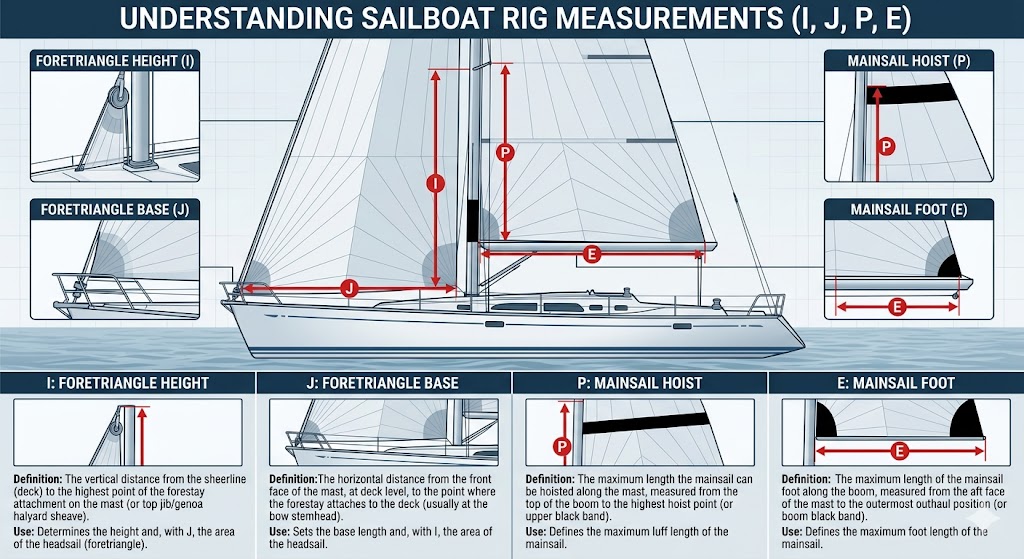
Rig Dimensions
I (Foretriangle Height) 47.0
J (Foretriangle Base) 15.83
P (Mainsail Luff) 41.25
E (Mainsail Foot) 18.0
SA Fore 372.01
SA Main 371.25
How It Compares

vs. Cc 40 Crusader, Concordia 40, Gulf 40 Garden

This boat Similar boats
Dimensions
LOA
Offshore 40 Cheoy Lee ★
39.8 ft
Cc 40 Crusader
39.7 ft
Concordia 40
39.8 ft
Gulf 40 Garden
39.8 ft
LWL
Offshore 40 Cheoy Lee ★
28.0 ft
Cc 40 Crusader
28.7 ft
Concordia 40
28.5 ft
Gulf 40 Garden
29.0 ft
Beam
Offshore 40 Cheoy Lee ★
10.8 ft
Cc 40 Crusader
11.2 ft
Concordia 40
10.3 ft
Gulf 40 Garden
10.8 ft
Displacement
Offshore 40 Cheoy Lee ★
20 lbs
Cc 40 Crusader
18 lbs
Concordia 40
18 lbs
Gulf 40 Garden
21 lbs
Ballast
Offshore 40 Cheoy Lee ★
7 lbs
Cc 40 Crusader
Concordia 40
7 lbs
Gulf 40 Garden
5 lbs
Sail Area
Offshore 40 Cheoy Lee ★
742 sq ft
Cc 40 Crusader
735 sq ft
Concordia 40
650 sq ft
Gulf 40 Garden
Performance
SA / Displacement (higher = more powerful)
Offshore 40 Cheoy Lee ★
15.8
Cc 40 Crusader
17.1
Concordia 40
15.2
Gulf 40 Garden
Ballast / Disp (higher = stiffer)
Offshore 40 Cheoy Lee ★
Cc 40 Crusader
Concordia 40
42.8 %
Gulf 40 Garden
23.8 %
Comfort Ratio (higher = more comfortable offshore)
Offshore 40 Cheoy Lee ★
43.0
Cc 40 Crusader
35.5
Concordia 40
39.3
Gulf 40 Garden
Capsize Screening (lower = safer)
Offshore 40 Cheoy Lee ★
1.57
Cc 40 Crusader
1.70
Concordia 40
1.57
Gulf 40 Garden
Displacement / Length (lower = lighter)
Offshore 40 Cheoy Lee ★
Cc 40 Crusader
345
Concordia 40
347
Gulf 40 Garden
384
Hull Speed
Offshore 40 Cheoy Lee ★
7.1 kts
Cc 40 Crusader
7.2 kts
Concordia 40
7.2 kts
Gulf 40 Garden
Speed Number (higher = faster)
Offshore 40 Cheoy Lee ★
1.0
Cc 40 Crusader
1.4
Concordia 40
1.3
Gulf 40 Garden
Find a Offshore 40 Cheoy Lee For Sale