Back to Search
Pearson 36 Pilot House
Designer: William Shaw  ·  Builder: Pearson Yachts (Usa)  ·  First built: 1978
+ Add to Compare
About the Pearson 36 Pilot House

Built during Pearson's renowned era of quality fiberglass construction, this pilot house variant of the Pearson 36 represents an intriguing departure from the company's more traditional designs. The enclosed pilot house configuration immediately sets this model apart, offering enhanced weather protection and year-round sailing comfort that appeals to serious cruising sailors. This design philosophy makes the boat particularly well-suited for coastal cruising in challenging conditions, where the pilot house provides a dry, sheltered helm station while maintaining excellent visibility. The elevated seating position typical of pilot house designs offers commanding views of the surrounding waters, making navigation and sail handling more comfortable in rough weather. Pearson's reputation for solid construction and seaworthy hulls carries through to this model, suggesting a boat capable of handling demanding coastal passages. The pilot house configuration also creates unique interior possibilities, often featuring a more open main salon since the traditional cockpit-to-cabin companionway arrangement is modified. While not as common as Pearson's conventional designs, the 36 Pilot House attracts sailors who prioritize comfort and protection over pure performance, making it an excellent choice for extended cruising adventures where weather protection is paramount.

Core Dimensions
LOA (Length Overall) 36.42 ft / 11.10 m
LWL (Waterline Length) 30.00 ft / 9.14 m
Beam 11.50 ft / 3.51 m
Max Draft 4.50 ft / 1.37 m
Displacement 17,700.00 lb / 8,029 kg
Ballast 7,300.00 lb / 3,311 kg
Ballast Type Lead
Design & Construction
Hull Type Fin with rudder on skeg
Rigging Type Masthead Sloop
Construction FG
Designer William Shaw
Builder Pearson Yachts (USA)
First Built 1978
Last Built 1981
Number Built 30
Owner Reviews

No owner reviews yet — be the first to share your experience with this boat.
Performance Ratios
Ballast/Displacement Ballast to Displacement ratio shows what percentage of the boat's total weight is ballast. Higher values generally mean better initial stability and stiffer sail carrying.
30–35% — Typical cruiser35–45% — Stiff performance boatOver 45% — Racing oriented
41.24
Displacement/Length Displacement to Length ratio measures how heavy a boat is relative to its waterline length. Lower values mean a lighter, faster boat.
Under 100 — Ultralight racer100–200 — Light cruiser/racer200–300 — Moderate cruiser300–400 — Heavy cruiserOver 400 — Very heavy
292.66
Pounds/Inch Immersion Pounds per Inch Immersion (PPI) tells you how much weight is needed to sink the boat one inch. Useful for calculating how additional gear and stores affect waterline. 7.39 pounds/inch
Rig Dimensions
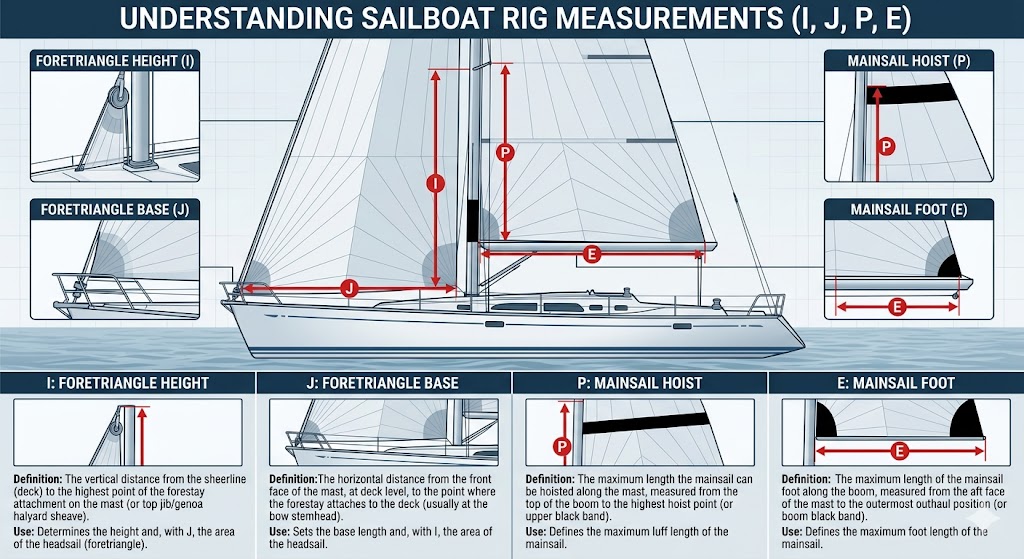
I (Foretriangle Height) 13.48
J (Foretriangle Base) 15.00 ft / 4.57 m
P (Mainsail Luff) 570.00 ft² / 52.95 m²
E (Mainsail Foot) Perkins
Engine & Accommodations
Horsepower 50
Fuel Capacity 75 gals / 284 L
Water Capacity 156 gals / 591 L
Find a Pearson 36 Pilot House For Sale