Back to Search
East Wind 25 Paceship
Designer: G. William Mcvay  ·  Builder: Paceship Yachts (Can)  ·  First built: 1962
+ Add to Compare
About the East Wind 25 Paceship

Built during Paceship's productive era of affordable cruising sailboats, this 25-footer represents the Canadian manufacturer's commitment to creating accessible vessels for weekend sailors and coastal cruisers. Paceship earned a solid reputation throughout the 1970s and 1980s for producing well-built fiberglass boats that offered good value without sacrificing seaworthiness. This compact cruiser falls into the popular quarter-century length category that dominated the recreational sailing market during its production years. Like other Paceship designs, it likely features a practical interior layout maximized for its size, with sleeping accommodations and basic galley facilities suitable for extended day sailing or short coastal cruising adventures. The boat's moderate proportions suggest it was designed with stability and ease of handling in mind, making it an appealing choice for sailors transitioning from smaller dinghies or those seeking a manageable cruiser for protected waters and near-coastal exploration. Paceship's reputation for solid construction means these boats often remain viable options on the used market, particularly for sailors seeking an economical entry point into cruising or a reliable platform for learning coastal navigation and seamanship skills.

Core Dimensions
LOA (Length Overall) 24.58 ft / 7.49 m
LWL (Waterline Length) 20.00 ft / 6.10 m
Beam 7.08 ft / 2.16 m
Max Draft 3.58 ft / 1.09 m
Displacement 4,600.00 lb / 2,087 kg
Ballast 2,000.00 lb / 907 kg
Design & Construction
Hull Type Long Keel
Rigging Type Masthead Sloop
Construction FG
Designer G. William McVay
Builder Paceship Yachts (CAN)
First Built 1962
Last Built 1971
Number Built 227
Owner Reviews

No owner reviews yet — be the first to share your experience with this boat.
Performance Ratios
Ballast/Displacement Ballast to Displacement ratio shows what percentage of the boat's total weight is ballast. Higher values generally mean better initial stability and stiffer sail carrying.
30–35% — Typical cruiser35–45% — Stiff performance boatOver 45% — Racing oriented
43.48
Displacement/Length Displacement to Length ratio measures how heavy a boat is relative to its waterline length. Lower values mean a lighter, faster boat.
Under 100 — Ultralight racer100–200 — Light cruiser/racer200–300 — Moderate cruiser300–400 — Heavy cruiserOver 400 — Very heavy
256.7
Pounds/Inch Immersion Pounds per Inch Immersion (PPI) tells you how much weight is needed to sink the boat one inch. Useful for calculating how additional gear and stores affect waterline. 3.03 pounds/inch
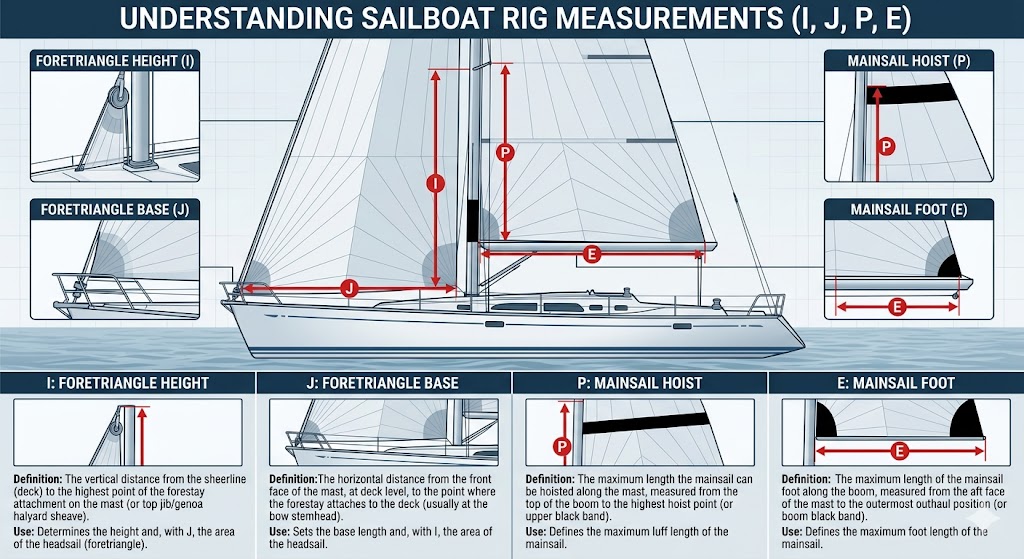
Rig Dimensions
I (Foretriangle Height) 18.33
J (Foretriangle Base) 8.50 ft / 2.59 m
P (Mainsail Luff) 316.00 ft² / 29.36 m²
E (Mainsail Foot) 256.70
Find a East Wind 25 Paceship For Sale